Conditions & needs we support
Social Communication Difficulties
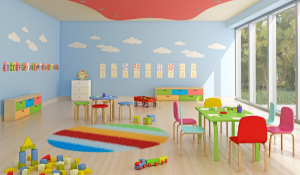
Friendship has a lot of unwritten rules. If your child finds connecting with others harder than you'd expect, those rules can be learned — gently, and through play.
Friendship has a lot of unwritten rules. If your child finds connecting with others harder than you'd expect, those rules can be learned — gently, and through play.
Social communication is how we use language and cues to connect — taking turns, reading faces and tone, starting conversations and joining play.
Some children understand words well but find the social "dance" tricky: knowing when to speak, how to read a friend's mood, or how to join a game already in progress.
In small, guided groups, children rehearse these moments in a safe space — building the skills and confidence that make childhood social life joyful.
These are everyday observations that some parents notice — not a diagnosis. Every child is different, and only a proper assessment can give real answers.
May talk at length about favourite topics, with less back-and-forth.
May find it hard to join others' play or share imaginative games.
May miss tone, facial expressions or the "hidden" meaning in words.
Group work and unstructured times (like break) can be challenging.
May want friends but find starting or keeping friendships hard.
May prefer routines and find unstructured social settings stressful.
A child is so much more than any challenge. These are gifts we so often celebrate in the children we work with.
We work alongside your family — never around you — with a plan built for your child alone.
We start by listening — to your concerns, your child's developmental story, and the goals that matter most to your family.
A gentle, play-based assessment to understand your child's strengths and support needs across communication, learning, behaviour and daily functioning.
Individual goals shaped around your child and your family priorities — with school collaboration whenever it helps.
The right mix of support, delivered by a multidisciplinary team that works as one — so nothing happens in isolation.
We track growth, refine goals together, and celebrate every milestone along the way.
Every plan is individual. Depending on your child's needs, support may include:
Rehearsing the unwritten rules of friendship — sharing, turn-taking, reading faces and joining play.
Building the skills to understand language and to express wants, needs, thoughts and feelings — through sounds, words, signs or devices.
A safe, warm space for children and parents to understand big feelings and find new ways to cope.
Equipping you with simple, doable strategies so progress continues between sessions, at home.
Small, practical ideas to support your child between visits. Go gently — and follow your child's lead.
If something feels different, seeking guidance isn't about finding a label — it's about understanding how to support your child's growth, with confidence. We'd love to help.