Conditions & needs we support
Motor & Coordination
From holding a crayon to running in the playground, movement is the foundation of a child's confidence. When coordination is harder to come by, there's so much we can do to help.
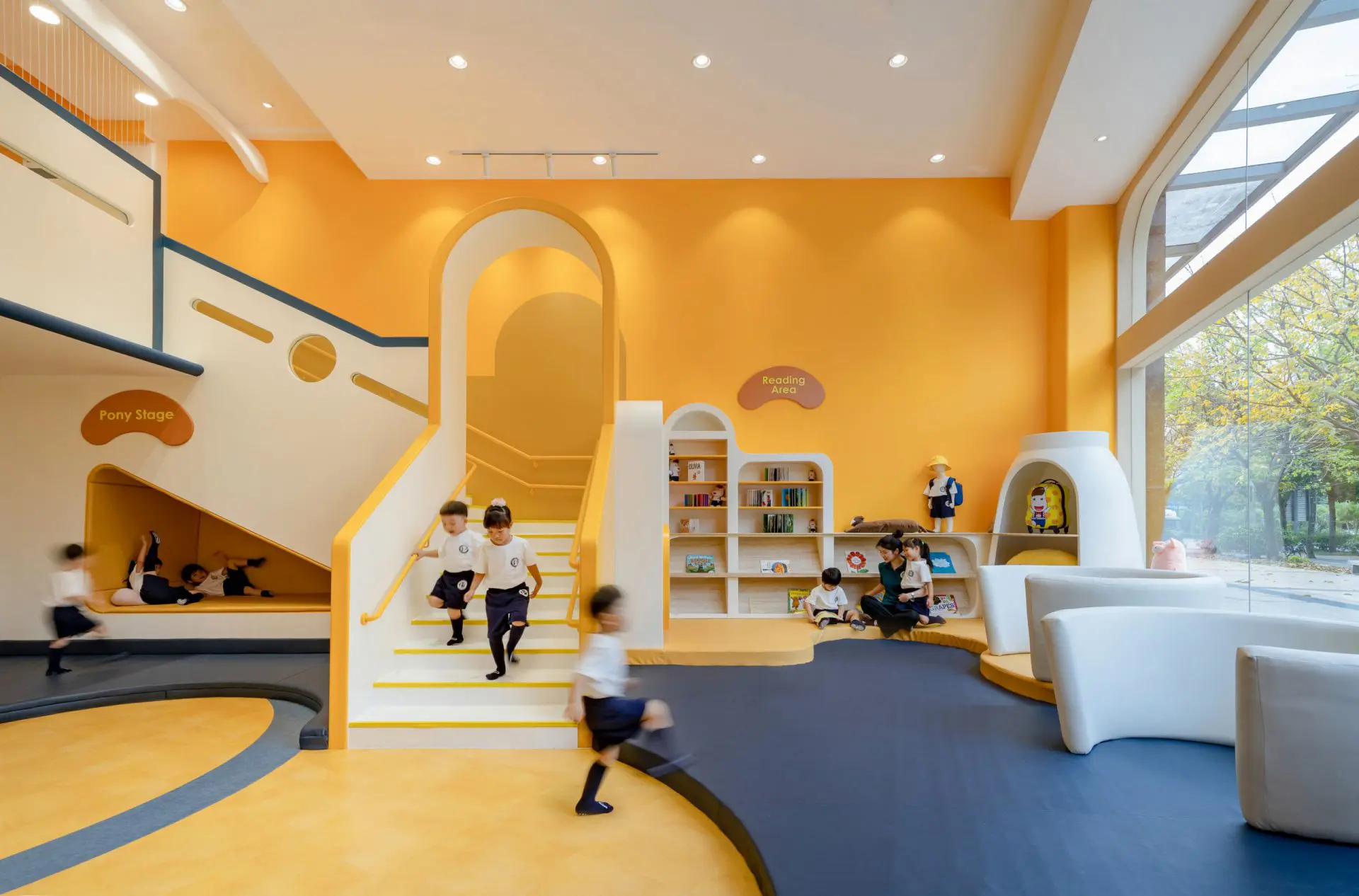
From holding a crayon to running in the playground, movement is the foundation of a child's confidence. When coordination is harder to come by, there's so much we can do to help.
Motor and coordination difficulties affect how a child controls and coordinates their body — both big movements like running, jumping and balancing, and small ones like holding a pencil, using cutlery or doing up buttons.
Some children seem clumsy or tire quickly; others avoid physical play or find handwriting exhausting. This isn't laziness — their muscles and movement-planning systems are simply working extra hard.
With physiotherapy and occupational therapy, children build the strength, balance and coordination that everyday confidence is made of.
These are everyday observations that some parents notice — not a diagnosis. Every child is different, and only a proper assessment can give real answers.
May seem clumsy, bump into things, or trip and fall often.
May avoid climbing frames, ball games or playground equipment.
May find tasks needing fine hand control — like drawing — frustrating.
Handwriting may be slow, effortful or hard to read.
May hang back from active group play or sports with friends.
Dressing, using cutlery or doing up buttons may be challenging.
A child is so much more than any challenge. These are gifts we so often celebrate in the children we work with.
We work alongside your family — never around you — with a plan built for your child alone.
We start by listening — to your concerns, your child's developmental story, and the goals that matter most to your family.
A gentle, play-based assessment to understand your child's strengths and support needs across communication, learning, behaviour and daily functioning.
Individual goals shaped around your child and your family priorities — with school collaboration whenever it helps.
The right mix of support, delivered by a multidisciplinary team that works as one — so nothing happens in isolation.
We track growth, refine goals together, and celebrate every milestone along the way.
Every plan is individual. Depending on your child's needs, support may include:
Developing strength, balance, posture and coordination so the body can keep up with a child's curiosity.
Supporting the everyday "occupations" of childhood — play, self-care, handwriting, focus and sensory regulation.
Helping the nervous system make sense of sound, touch, movement and light so the world feels manageable.
Equipping you with simple, doable strategies so progress continues between sessions, at home.
Small, practical ideas to support your child between visits. Go gently — and follow your child's lead.
If something feels different, seeking guidance isn't about finding a label — it's about understanding how to support your child's growth, with confidence. We'd love to help.