Conditions & needs we support
Developmental Delay
When milestones are slower to arrive, it's natural to feel uncertain. Reaching out isn't about labels — it's about understanding how to help your child catch their stride.
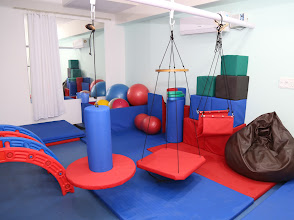
When milestones are slower to arrive, it's natural to feel uncertain. Reaching out isn't about labels — it's about understanding how to help your child catch their stride.
Developmental delay means a child is reaching milestones — like sitting, walking, talking or playing — later than usual, in one area or several.
Sometimes there's a clear reason; often there isn't. What matters most is not the label, but coordinated, early support across the areas where your child needs a helping hand.
Because early years are a time of rapid growth, timely intervention can make a remarkable difference — helping children build skills, momentum and confidence.
These are everyday observations that some parents notice — not a diagnosis. Every child is different, and only a proper assessment can give real answers.
May reach milestones (sitting, walking, talking) later than peers.
Play may be simpler or more repetitive than expected for their age.
May be slower to babble, use words or understand language.
May need more time and repetition to pick up new skills.
May show less interest in interacting or imitating others.
May need more help with feeding, dressing or self-care than expected.
A child is so much more than any challenge. These are gifts we so often celebrate in the children we work with.
We work alongside your family — never around you — with a plan built for your child alone.
We start by listening — to your concerns, your child's developmental story, and the goals that matter most to your family.
A gentle, play-based assessment to understand your child's strengths and support needs across communication, learning, behaviour and daily functioning.
Individual goals shaped around your child and your family priorities — with school collaboration whenever it helps.
The right mix of support, delivered by a multidisciplinary team that works as one — so nothing happens in isolation.
We track growth, refine goals together, and celebrate every milestone along the way.
Every plan is individual. Depending on your child's needs, support may include:
Building the skills to understand language and to express wants, needs, thoughts and feelings — through sounds, words, signs or devices.
Supporting the everyday "occupations" of childhood — play, self-care, handwriting, focus and sensory regulation.
Developing strength, balance, posture and coordination so the body can keep up with a child's curiosity.
Structured, multisensory teaching matched to how your child learns best — at their own pace.
Equipping you with simple, doable strategies so progress continues between sessions, at home.
Small, practical ideas to support your child between visits. Go gently — and follow your child's lead.
If something feels different, seeking guidance isn't about finding a label — it's about understanding how to support your child's growth, with confidence. We'd love to help.