Conditions & needs we support

Autism Spectrum Disorder

Every child grows, learns and connects in their own way. If you've been wondering whether your child may need additional support, you're not alone — and understanding their needs is the first hopeful step toward helping them thrive.

Book an assessment → Talk to AAKAR
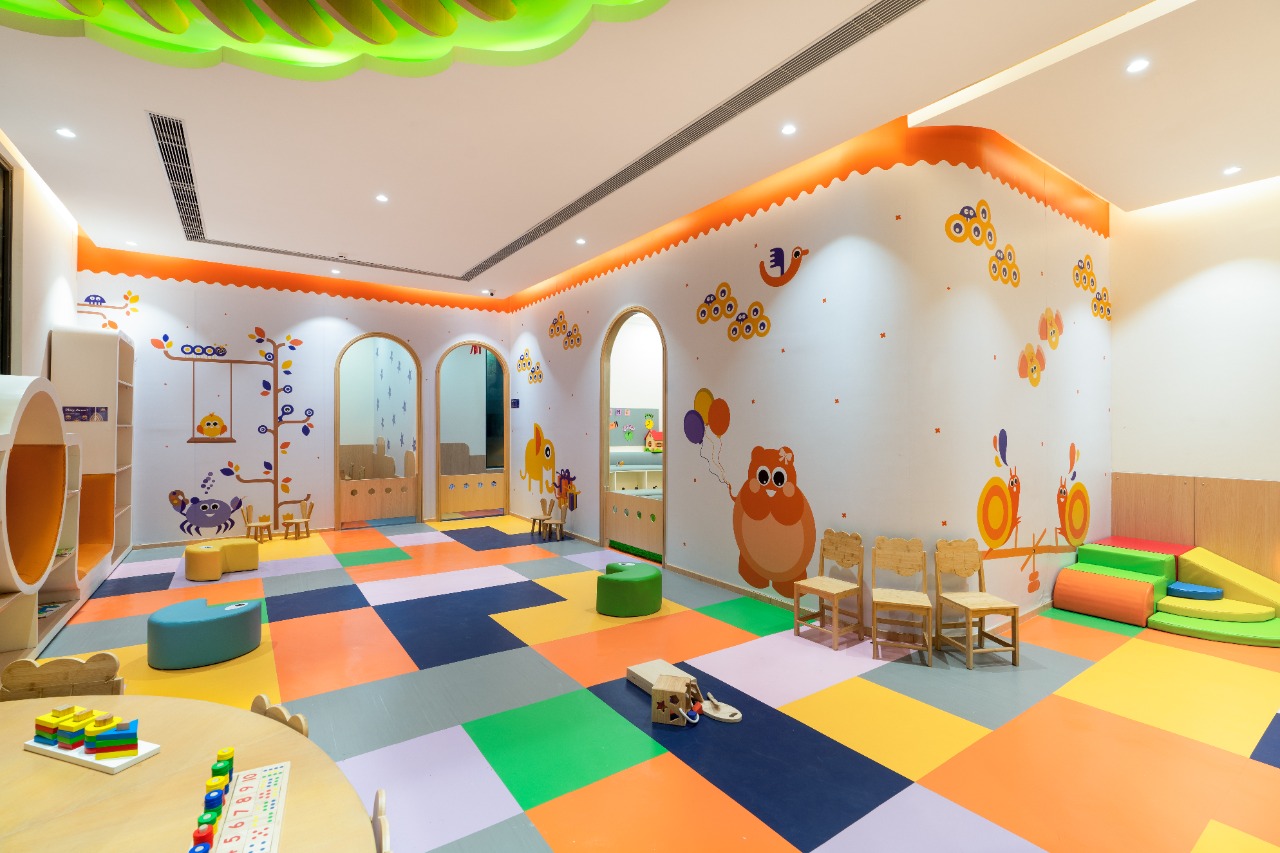
A warm, welcoming space at AAKAR
Understanding this

What autism spectrum disorder can mean

Autism is a different way of experiencing the world — in how a child communicates, plays, relates to others and responds to sights, sounds and routines. It is a spectrum, which means no two autistic children are alike.

Some children speak early and fluently; others communicate in different ways. Some seek out sensory experiences while others find them overwhelming. These differences shape how your child connects — they don't define their worth or their potential.

With understanding and the right support, autistic children build communication, confidence and independence — while their unique strengths are celebrated, not "fixed".

Why early support helps: a child's early years are a time of rapid growth — gentle, timely support can make a meaningful, lasting difference. And it's never too late to begin.
Gentle observations

Signs parents may notice

These are everyday observations that some parents notice — not a diagnosis. Every child is different, and only a proper assessment can give real answers.

🏠

At Home

May prefer predictable routines and find unexpected changes upsetting.

🧸

During Play

May line up or sort toys, or enjoy the same play in the same way.

💬

Communication

May be slow to develop speech, or communicate in their own unique ways.

📖

Learning

May have strong, deep interests and learn best through those passions.

🤝

Social Interaction

May find eye contact, sharing attention or joining play more difficult.

🌷

Daily Activities

May be very sensitive — or under-responsive — to sounds, textures or light.

If some of these feel familiar, a conversation is a kind next step — not a label.
The whole child

Strengths we often see

A child is so much more than any challenge. These are gifts we so often celebrate in the children we work with.

Remarkable attention to detail
Deep, passionate interests
Honest, genuine communication
Strong memory and pattern-spotting
Loyalty and a love of routine
A partnership, step by step

How AAKAR supports your child

We work alongside your family — never around you — with a plan built for your child alone.

01

Parent Consultation

We start by listening — to your concerns, your child's developmental story, and the goals that matter most to your family.

02

Comprehensive Assessment

A gentle, play-based assessment to understand your child's strengths and support needs across communication, learning, behaviour and daily functioning.

03

Personalized Development Plan

Individual goals shaped around your child and your family priorities — with school collaboration whenever it helps.

04

Therapy & Intervention

The right mix of support, delivered by a multidisciplinary team that works as one — so nothing happens in isolation.

05

Progress Reviews

We track growth, refine goals together, and celebrate every milestone along the way.

Tailored to your child

Therapies we may recommend

Every plan is individual. Depending on your child's needs, support may include:

💬

Speech & Language Therapy

Building the skills to understand language and to express wants, needs, thoughts and feelings — through sounds, words, signs or devices.

How it helpsTurns frustration into communication and helps your child connect with the people they love.
A session may look likePlay-based games, picture cards, turn-taking and modelling — gentle practice that rarely feels like "work".
🖐️

Occupational Therapy

Supporting the everyday "occupations" of childhood — play, self-care, handwriting, focus and sensory regulation.

How it helpsBuilds independence, motor skills and the confidence to take part in daily life.
A session may look likeObstacle courses, fine-motor crafts, sensory activities and calming strategies tailored to your child.
🌈

Sensory Integration

Helping the nervous system make sense of sound, touch, movement and light so the world feels manageable.

How it helpsBrings calm and focus to children who feel overwhelmed or under-stimulated.
A session may look likeSwings, textures, deep-pressure play and a "sensory diet" your child genuinely enjoys.
🧩

Behaviour Support

Understanding behaviour as communication, and building emotional regulation, attention, routines and positive habits.

How it helpsDevelops coping skills and reduces stress — for your child and your whole family.
A session may look likePredictable routines, visual supports, praise for effort and strategies you can use at home.
🧒

Social Skills Training

Rehearsing the unwritten rules of friendship — sharing, turn-taking, reading faces and joining play.

How it helpsHelps your child feel at home in a room full of children.
A session may look likeSmall guided groups where social moments are practised through games and play.
👨‍👩‍👧

Parent Coaching

Equipping you with simple, doable strategies so progress continues between sessions, at home.

How it helpsMakes you a confident partner in your child's growth — never a spectator.
A session may look likeShort, practical coaching woven around your family's real routines.
You asked

Parent questions, answered

Will my child "grow out" of autism?+
Autism is a lifelong way of being — not an illness to outgrow. But with understanding and support, autistic children grow enormously in communication, independence and confidence, and go on to lead happy, meaningful lives.
Can my child attend a mainstream school?+
Many autistic children thrive in mainstream settings with the right support, while others do best in more specialised environments. We help you understand what suits your child and can collaborate with their school.
Is early intervention really that important?+
Yes. A child's early years are a time of remarkable brain growth, and timely, gentle support can make a meaningful, lasting difference. That said, support helps at any age — it's never "too late" to begin.
How long does therapy take?+
Every child is different, so there's no single answer. We set clear goals, review progress regularly, and are always honest about what we're seeing. The aim is always independence — not therapy for its own sake.
How involved should I be as a parent?+
As involved as you'd like to be — and we hope that's a lot. Parents are partners at AAKAR. We coach you with simple strategies so the progress made in sessions continues at home.
For home

Things you can try, today

Small, practical ideas to support your child between visits. Go gently — and follow your child's lead.

Keep routines predictable and use simple visual schedules for the day.
Give a little extra time for your child to process what you've said.
Follow your child's interests — they're a wonderful doorway into connection.
Create a calm, low-sensory corner where your child can reset when overwhelmed.

You know your child best.

If something feels different, seeking guidance isn't about finding a label — it's about understanding how to support your child's growth, with confidence. We'd love to help.

Book an assessment → Contact AAKAR